TVS Motor’s industry presentation shows how demand incentives, charging support and domestic manufacturing are shaping India’s electric two-wheeler market.
India’s electric vehicle market is moving into a larger phase of adoption, with electric two-wheelers accounting for most PM E-DRIVE registrations. Government dashboard data shows 26,38,503 e-2Ws registered as of September 17, 2026. Total Vahan-linked registrations across the supported segments stood at 28,85,926.
The figures were highlighted during the PM E-DRIVE: Dialogue with the Industry at the International Centre for Automotive Technology (ICAT), Manesar, on September 25. The event was organised by the Ministry of Heavy Industries and hosted by ICAT as part of its 20-year celebrations.
PM E-DRIVE creates a framework for EV growth
The PM E-DRIVE scheme has a total outlay of Rs 11,900 crore. The government has extended the scheme framework to March 31, 2028, with support covering electric vehicles, buses, charging infrastructure and testing facilities.
The scheme includes Rs 4,391 crore for 14,028 electric buses and Rs 2,000 crore for public EV charging infrastructure. It also provides demand incentives for eligible electric vehicle categories.
For electric two-wheelers, the scheme uses an e-voucher system for eligible buyers. The government says the system is designed to provide the demand incentive at the time of purchase.
The latest dashboard shows that e-2Ws have become the largest vehicle category under the scheme by registrations. Their 26.39 lakh registrations represent about 91% of the 28.86 lakh Vahan-linked registrations shown across the supported vehicle segments.
How TVS expanded its electric vehicle business
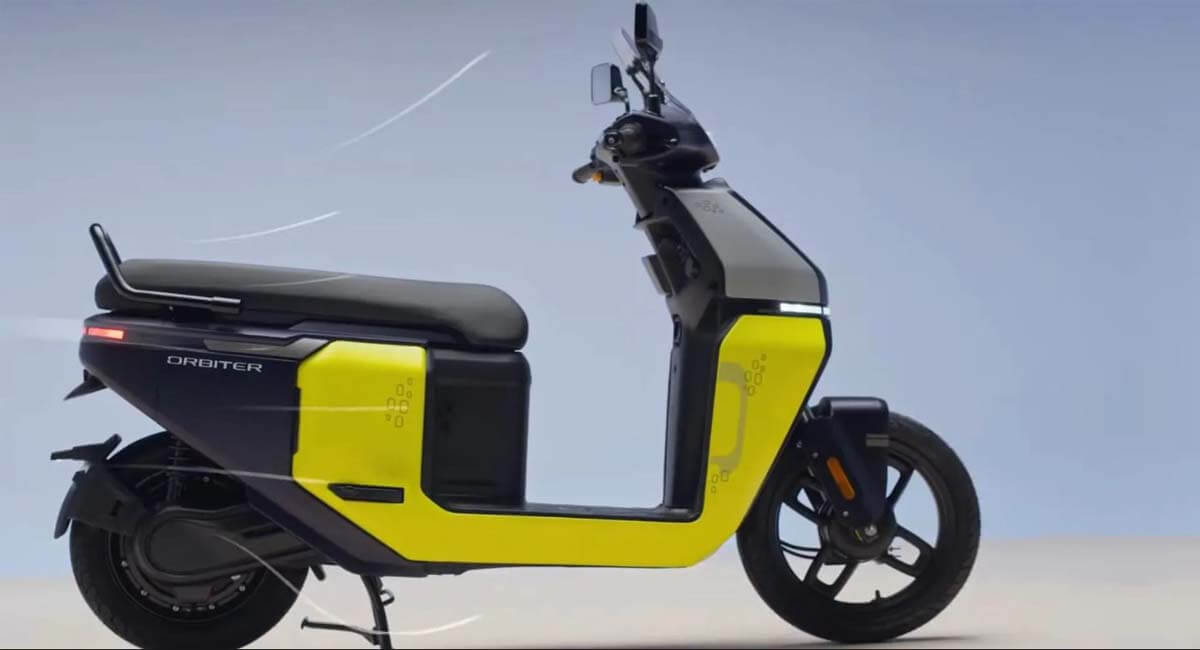
TVS Motor’s presentation provided an industry example of how manufacturers have responded to growing EV demand. The company has expanded its electric portfolio across two- and three-wheelers. Its electric two-wheeler range includes products under the iQube and Orbiter families. Its commercial electric vehicle range includes models such as the TVS King EV Max and King Kargo HD EV.
TVS reported sales of 3.71 lakh electric two-wheelers in FY2025-26, representing 33% year-on-year growth. The company also reported more than 1,000 EV dealers and about 5,000 public charging touchpoints.
The company reached another production milestone in June 2026. TVS rolled out its one-millionth iQube from its Hosur manufacturing facility in Tamil Nadu.
These figures show how EV demand can affect several parts of the automotive business. Higher volumes can support investment in products, manufacturing capacity, retail networks and supporting infrastructure.
From incentives to local technology
TVS has also highlighted domestic technology development as part of its electric vehicle strategy. The company has developed capabilities in areas such as traction battery packs, traction motors, battery management systems and vehicle control systems. These technologies are important parts of an electric vehicle’s power and control systems.
Also Read: Yamaha R2 Top Speed Test: Bike Hits 159 kmph
TVS reported Rs 1,024.95 crore in R&D spending during FY2024-25. Its annual report also highlighted investment in engineering and technology as part of its wider product development strategy.
This approach is linked with the wider manufacturing goals of PM E-DRIVE. The scheme includes a Phased Manufacturing Programme, which is intended to encourage domestic production and strengthen the electric vehicle supply chain.
Charging and localisation remain key issues
The growth in electric two-wheelers also increases the need for reliable charging infrastructure. PM E-DRIVE has allocated Rs 2,000 crore for public EV charging stations. The original scheme framework also proposed fast chargers for electric cars, buses and two- and three-wheelers.
The next stage of EV growth also involves greater domestic value addition. Areas such as battery cells, motors, power electronics, battery management systems and recycling can affect the cost and supply of electric vehicles.
For manufacturers, localisation can also reduce dependence on imported components. It can support domestic suppliers as EV production expands.
What comes next for India’s electric two-wheelers
The latest PM E-DRIVE figures show that electric two-wheelers have become the main volume segment under the scheme. The government dashboard recorded more than 26.38 lakh e-2W registrations by September 17, 2026.
The next phase will depend on several factors, including charging availability, vehicle costs, technology development and the growth of domestic supply chains. Industry discussions are also focusing on manufacturing scale, localisation and the wider EV ecosystem.
The PM E-DRIVE dialogue at ICAT is part of the government’s ongoing engagement with the automotive industry. Its focus remains on EV adoption, infrastructure and the development of India’s electric mobility ecosystem.