
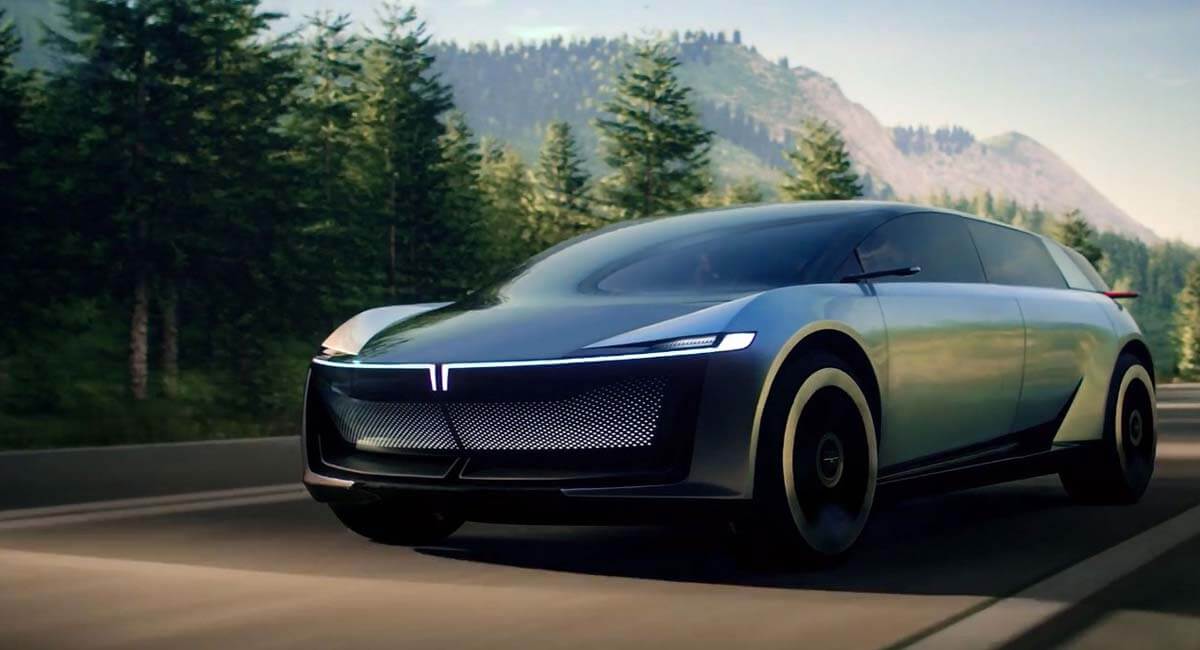
Tata Motors plans to expand its electric vehicle range with new models, including the Avinya, Sierra EV and Punch EV, as it targets more segments of India’s car market.
Tata Motors Passenger Vehicles plans to launch the Tata Avinya in India by the end of 2026. The upcoming electric vehicle will mark a new addition to the company’s growing EV portfolio. The launch is part of a wider plan to introduce five new electric models in the Indian market.
The Avinya will be followed by the Sierra EV and Punch EV, according to the supplied information. Tata Motors also plans to introduce three more nameplates between the 2027 and 2030 financial years. The company is expected to announce further details of its product roadmap in the future.
What Is the Tata Avinya?
The Tata Avinya is an upcoming electric vehicle that the company has showcased in concept form on several occasions. The production model is expected to use Tata’s Gen 3 EV architecture, a platform developed specifically for battery-electric vehicles.
Also Read: Toyota Hilux Price in India Starts at Rs 31.99 Lakh
The architecture uses a skateboard-style layout, which places key electric vehicle components within a dedicated platform. This design is intended to support long driving ranges, faster charging and greater software integration. However, Tata Motors has not provided confirmed specifications for the production-ready Avinya in the supplied information.
Tata Avinya Launch Timeline and Future EV Plans
The company plans to launch the Avinya by the end of 2026. The Sierra EV and Punch EV are also part of its upcoming electric vehicle expansion, although their exact launch dates have not been specified here.
Tata Motors plans to introduce three additional nameplates between FY2027 and FY2030. The company has not yet disclosed the names or launch schedules of these models. Further announcements will clarify how the new vehicles fit into its long-term product strategy.
The roadmap follows the reintroduction of the Tata Sierra, which is currently available with an internal combustion engine (ICE) powertrain, according to the supplied information. Tata’s approach includes expanding established vehicle nameplates with electric versions.
Tata Motors’ Current Electric Vehicle Range
Tata Motors already offers several electric passenger vehicles in India. Its current range includes the Nexon.ev, Harrier.ev, Punch.ev, Tiago.ev and Curvv.ev.
The company has recorded cumulative sales of 2.5 lakh electric vehicles since entering the segment, according to the supplied information. This figure highlights the scale of its EV business in the Indian passenger vehicle market.
The Nexon.ev has also crossed cumulative sales of one lakh units. It was the first electric vehicle in India to reach that milestone, according to the provided details.
Tata Motors’ Charging Infrastructure Plans
Charging access remains an important part of electric vehicle adoption in India. Tata Motors plans to expand its charging network to support more customers as its electric vehicle range grows.
The company’s stated target is to establish one million charging points by 2030, including 1 lakh public chargers. The distinction matters because charging points may include private and shared facilities, while public chargers are available for wider use.
A larger charging network could make electric vehicles more practical for daily travel and longer journeys. Progress towards these targets will be important as Tata Motors introduces more models.
What the Tata Avinya Means for Indian EV Buyers
The Avinya is expected to become a new nameplate in Tata Motors’ electric vehicle portfolio. Its Gen 3 platform is designed around electric power, with a focus on range, charging and software integration.
However, important details remain unavailable, including the production model’s battery capacity, driving range, charging speed, features and price. Tata Motors has also not announced confirmed booking details in the supplied information.
The company is expected to provide more information as the launch approaches. Until then, Indian buyers will need to wait for official announcements to learn about the Avinya’s final specifications, price and availability.